





“Mother St. Croix had a heart as big as herself. And her photography was an expression of her devotion to people and to the convent.”
—Sister Loyola

Enjoy free admission every day. Visit the museum, shop, and café, or resesarch our collections at the Williams Research Center.
Explore the world of the legendary New Orleans artist and his iconic characters, Vic and Nat’ly. On view until May 9, 2027.
On November 7, our 2026 Food Forum and Food Fête tasting event will explore the origins and deep community connections of Louisiana’s official state dish, led by renowned food historian Dr. Jessica B. Harris.
Dive into the Collection’s holdings with image-rich previews of treasures from New Orleans history.
On October 31, chess lovers of all ages are invited to join us for our fifth-annual Chess Fest, offering a day of free activities, including a beginner-friendly chess tournament, a “human chess” game, Halloween costume contest, chessboard crafting, and much more!
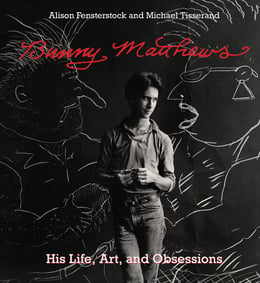
The bold personality of New Orleans’s legendary cartoonist and writer springs from the page in this first monograph of his work by Alison Fensterstock and Michael Tisserand.
On October 29, join us in celebrating six decades of preserving, collecting, and making history. Save the date for music, memories, and more at what is sure to be a fantastic night out in the French Quarter.
Cloistered with a Camera

Cloistered with a Camera
Discover the pioneering photography of Mother St. Croix in this exhibition commemorating the 300th anniversary of the Ursuline nuns in New Orleans.
520 Royal Street
Tricentennial Wing, 3rd Floor
Included with free museum admission
“Mother St. Croix had a heart as big as herself. And her photography was an expression of her devotion to people and to the convent.”
—Sister Loyola
To commemorate the 300th anniversary of the arrival of the Ursuline nuns in New Orleans, Cloistered with a Camera highlights the pioneering photography of Mother St. Croix (1854–1940), an Ursuline sister who documented life behind convent walls from the 1880s into the 1920s. One of the earliest known female photographers to capture daily life in New Orleans, St. Croix honed her craft as part of her service, photographing the convent, school, and grounds in artfully composed shots and tableaux. Remarkably, she did so as a cloistered nun—one who does not leave the convent.
St. Croix’s images offer an exceptional view inside her cloistered community at the Dauphine Street convent, where the nuns operated a girls’ school and an orphanage between 1824 and 1912. Undaunted by heights and heavy equipment, St. Croix expertly photographed the convent grounds and daily tasks of the nuns, students, and orphans from a variety of viewpoints. Often used as promotional material, her images were reproduced in books and postcards and shown at world’s fairs in 1893 and 1904. St. Croix’s pictures are some of the only photographs of the Ursuline convent at its bucolic Ninth Ward location along the Mississippi River. That site was torn down in 1912 when the Ursulines moved into a new location uptown, which is still in operation today, and St. Croix was there to document the transition.
Cloistered with a Camera includes roughly 90 images by Mother St. Croix displayed alongside the objects used to make and reproduce them—her cameras, glass plate negatives, lantern slides, and printing plates, as well as a photograph album, books, and postcards. Developed with input from the Ursuline Academy and Convent, the show will also feature student work from the newest generation of Ursuline students, honoring the order’s commitment to education. Rarely photographed herself, St. Croix emerges as a symbol of the Ursulines’ legacy, a woman whose vocation took her to artistic heights while remaining grounded in the daily work and devotion of cloistered life.
When one New Orleans couple unsealed the attic of their Algiers house, they discovered a remarkable set of family portraits going back 135 years.
Prospect.5 spotlights the New Orleans photographer’s “othered” portraits.
The artist was an important figure in the French Quarter Renaissance, an effort by artists, authors, and architects to preserve and reinvigorate life in the historic neighborhood.
A dramatic composite photograph depicts a prominent New Orleans family in high style.
The ebullient nun documented her cloisters, sisters, and pupils with care and skill. In doing so she became the earliest known woman to photographically record daily life in New Orleans
A look at over 20 different photographic processes and techniques represented in HNOC’s holdings, from the daguerreotype to the digital prints of today.
Photographs by Richard Sexton capture the essence of a complicated, often mysterious section of the country’s largest waterway.
with essays by Jason Berry, Dan Cameron, John H. Lawrence, and Jude Solomon
Subscribe to Our Newsletter


