






“Indelible images. [Baz and Traub‘s] road trip preceded the work that people like the musician Clifton Chenier and the chef Paul Prudhomme had done to make the world pay attention to Cajun culture.”
John Pope, NOLA.com | The Times-Picayune

Enjoy free admission every day. Visit the museum, shop, and café, or resesarch our collections at the Williams Research Center.
Explore the world of the legendary New Orleans artist and his iconic characters, Vic and Nat’ly. On view until May 9, 2027.
On November 7, our 2026 Food Forum and Food Fête tasting event will explore the origins and deep community connections of Louisiana’s official state dish, led by renowned food historian Dr. Jessica B. Harris.
Dive into the Collection’s holdings with image-rich previews of treasures from New Orleans history.
On October 31, chess lovers of all ages are invited to join us for our fifth-annual Chess Fest, offering a day of free activities, including a beginner-friendly chess tournament, a “human chess” game, Halloween costume contest, chessboard crafting, and much more!
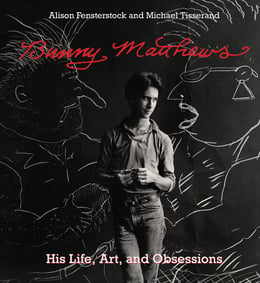
The bold personality of New Orleans’s legendary cartoonist and writer springs from the page in this first monograph of his work by Alison Fensterstock and Michael Tisserand.
On October 29, join us in celebrating six decades of preserving, collecting, and making history. Save the date for music, memories, and more at what is sure to be a fantastic night out in the French Quarter.

by Douglas Baz and Charles H. Traub
In the early 1970s, two young photographers traveled through Acadiana, the south-central Louisiana region better known as Cajun country. This is what they saw.
HNOC 2020
hardcover • 11" × 10" • 160 pp.
171 b&w images
ISBN 978-0-917860-76-8
$45.00
In 1973 and ’74, two young photographers fresh out of art school in Chicago spent over six months documenting the southern Louisiana region known as Acadiana, as well as its coastal outposts to the east, where terra firma snakes through marshlands leading to the Gulf of Mexico. Little did they know that the region was on the verge of great change: over the following decade, a boom in oil and natural gas production would reshape the local economy, while Cajun music and food would become known the world over through cultural exportation and preservation efforts. During their stay, Douglas Baz and Charles H. Traub aimed to capture on film the people, environment, occupations, festivals, and material life of a singular place in America. Never before published together or exhibited as a group, the images in Cajun Document illuminate the cultural threads woven through southern Louisiana at a liminal time in its history.
“Indelible images. [Baz and Traub‘s] road trip preceded the work that people like the musician Clifton Chenier and the chef Paul Prudhomme had done to make the world pay attention to Cajun culture.”
John Pope, NOLA.com | The Times-Picayune
Douglas Baz is a freelance photographer practicing in New York’s Hudson Valley. A founder of Bard College’s program in fine art photography, he has exhibited widely and has received awards and grants from the National Endowment for the Arts and the New York Foundation for the Arts, among others. His work is in a number of permanent collections, including the Library of Congress, the Museum of Modern Art, the George Eastman Museum, the Wallace Foundation, and the National Gallery of Canada.
Charles H. Traub is chair and founder of the MFA program in photography, video, and related media at the School of Visual Arts in New York City. Formerly the director of New York’s prestigious Light Gallery and, for over 25 years, president of the Aaron Siskind Foundation, he is one of the cofounders of Here Is New York: A Democracy of Photographs. Traub is the editor and author of 16 books, including eight monographs of his own work, and his editorial photographs have been published in the major magazines of the world. Recent publications include Lunchtime (2015), Taradiddle (2018), and Skid Row (2019).
The answers are tied up in race, class, language, and, of course, history.
We explore the roots of this complicated southern identity through 12 different stories.
We look into the surprising backstories of some of South Louisiana’s most famous dishes.
Experience Cajun country through the eyes of two photographers who traveled the region at a pivotal time in its history.
Subscribe to Our Newsletter


