






Cultivating Lesbian Community
The Daughters of Bilitis in New Orleans
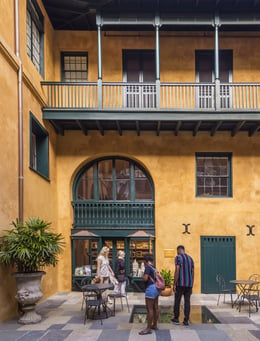
Williams Research Center
410 Chartres Street
Free admission, registration required
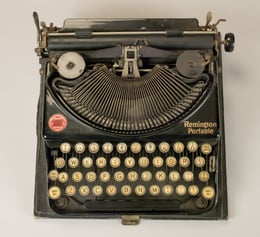
Join HNOC and the LGBT+ Archives Project of Louisiana for an evening honoring the legacy of the Daughters of Bilitis, a lesbian social and civil rights organization. The program will include an archival show-and-tell of newly acquired objects from the private collection of Sharon Dauzat, former director of the New Orleans Daughters of Bilitis, followed by a conversation with Dauzat and Frank Perez, executive director of the LGBT+ Archives Project of Louisiana. Attendees are invited to a brief reception following the event.
Admission is free, but registration is required (space is limited).
Partners & Speakers

LGBT+ Archives Project of Louisiana
LGBT+ Archives Project of Louisiana
The mission of the LGBT+ Archives Project of Louisiana is to promote and encourage the protection and preservation of materials that chronicle the culture and history of the lesbian, gay, bisexual, and transgender community in Louisiana.
Their main purpose is to educate the community on the importance of archiving LGBT+ historical materials and making them available for future generations to access, research, and study. By developing financial resources to assist in the preservation and availability of certain LGBT+ collections, they hope to help promote the proper maintenance and preservation of historical LGBT+ materials and then index, publish, and maintain a current list of these materials and their locations.

Sharon Dauzat
Sharon Dauzat
Born in 1948, I grew up around the corner from Washington Square near the Quarter. I came out in Jr. High when I fell in love with my girlfriend, Anne. Who would have guessed that 30 years later I would be an ‘out’ lesbian celebrating and fighting for our rights?
I moved to New York City as a young adult—had tons of fun, partied, and [also] witnessed the Stonewall Riots. Back home in New Orleans, I started going to gay bars—Geno’s, The Gaslight, Regent’s Row, Vicky’s, Mr. D’s, Brady’s, Diane’s, The Grog, Miss Kitty’s, Joe and Eda’s, and so many more. Diane’s and Brady’s became my anchors. Diane was my right hand. Alice Brady will always be my HERO—always. My best friend from school [introduced me to] my one and only “partner in crime,” Charlene Schneider. I tended bar for Charlene at the Country Club until Charlene and Lynn Breland had purchased an old hardware store (the Phoenix now). It became Smoky Mary’s—I managed that. I remember the day Charlene got the keys to “Jack’s Stroll In Bar,” which would become an institution and a landmark for the movement.
I read the book Lesbian Woman, written by Phyllis Lyon and Del Martin—they started a social group for women [called the Daughters of Bilitis]—something else to do besides hang in a bar. A friend of mine started a chapter in New Orleans, but she took sick and had to leave [town], so I chaired the chapter. That's where the story of this program begins.

Frank Perez
Frank Perez
Frank Perez is a writer, historian, educator, public speaker, small business owner, and tour guide. He has authored several books on New Orleans queer history, the most recent of which is Political Animal: The Life and Times of Stewart Butler. He is a columnist for Ambush Magazine and French Quarter Journal.
About the Daughters of Bilitis
Founded in San Francisco in 1955, the Daughters of Bilitis (DOB) was the first documented lesbian rights organization in the United States. The organization was founded as a social club but quickly evolved into a national organization dedicated to lesbian visibility, rights, and advocacy. For many years, DOB published The Ladder, the first nationally distributed lesbian periodical in the United States.
About the Acquisition
In 2024 the Historic New Orleans Collection acquired a significant collection of materials documenting the New Orleans chapter of the Daughters of Bilitis. The New Orleans chapter, founded locally in the early 1970s by Vicki Combs, provided a vital alternative to the bar scene for lesbians seeking community and connection. After Combs left the city for graduate school in 1979, local DOB leadership passed to activist Sharon Dauzat, who led the organization into the 1980s. Dauzat’s significant collection of materials, now housed at HNOC, documents the lesbian social scene and broader LGBTQ activism in New Orleans from 1967 to 2000.
Collection Preview


Related Stories

The Gay Panic That Brought the LGBTQ Rights Movement to New Orleans
Anita Bryant’s 1977 crusade against homosexuality sparked a nationwide movement, prompting the first gay rights demonstration in New Orleans history.

When Praying the Gay Away Didn’t Work, He Turned to Activism
In an excerpt from his new memoir, activist Larry Bagneris recounts how his adolescent struggle to shed his homosexuality led to a political awakening and a lifelong purpose.
Related Collection Highlights

Harvey Ferguson LGBT Mixtape Collection
A dance music lover’s dream, 60 mixtapes capture the sound of gay nightlife in New Orleans.

Andrée Loisel Collection
After contracting HIV in 1988, a New Orleans–born artist and musician returned home to become one of the earliest public faces of the AIDS crisis.

Dorothea “Torchy” Wilde Papers
HNOC expands its LGBTQ+ holdings with the papers of a nightlife fixture who chronicled the Quarter’s denizens.
Related Books

Subscribe to Our Newsletter
