






John E. Kuhlman Collection
For decades, studio photographer John E. Kuhlman spent his free time taking pictures of jazz musicians. HNOC is now home to that part of his archive.
For many years in the mid-20th century, New Orleans photographer John E. Kuhlman (1919–1978) documented the local traditional jazz scene on top of his regular for-hire work, shooting concerts and clubs in addition to families, weddings, and special events. Kuhlman was a talented photographer and longtime member of the Louisiana Professional Photographers Association, serving as president starting in 1960 and then as executive manager, a role he held until he passed away in 1978. Following his death, his photographic archive, consisting of thousands of negatives, was passed down through family members.


HNOC has acquired 2,300 of those negatives, which span 1948 to 1970 and, with few exceptions, relate to Kuhlman’s sideline career as a jazz photographer. Kuhlman photographed with a large-format camera, most likely a handheld press camera. Commonly used in the 1950s, these cameras could capture lively scenes without the need for a tripod or long exposures, and Kuhlman was especially skilled in using them. He applied superior knowledge of interior lighting, composition, and technique to his work, and the quality of his images stands apart from anything HNOC currently has in the format.

Assistant curator and banjo/guitar player Danny Barker stands with trumpeter Dizzy Gillespie, blues singer Cousin Joe, and cornetist George Finola in this photograph commemorating the club’s 1961 opening of the New Orleans Jazz Museum.
Among many performers featured in the collection are Paul Barbarin, Lizzie Miles, Alcide “Slow Drag” Pavageau, the vaudevillian duo Pork Chop and Kidney Stew, “Papa” Jack Laine, and a very young Pete Fountain. There are interior views of jazz venues such as Lenfant’s, in Lakeview; the Municipal Auditorium; and a number of French Quarter spots—the 500 Club, the Paddock Lounge, Sid DaVilla’s Mardi Gras Lounge, and El Morocco, to name a few. Also featured are events and performances put on by the New Orleans Jazz Club, an organization of fans and researchers founded in 1948.

The Kuhlman photographic collection is an important archive that will be of great interest to jazz researchers. HNOC plans to digitize the entire collection, which will eventually be made available on our online catalog.
By Mallory Taylor, associate curator
Related Stories

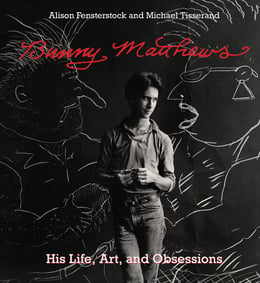
Danny Barker’s Folk Heroes
The jazzman was also a gifted writer and storyteller who put his own spin on the archetypes of African American folklore, from badmen and blues mamas to “day people and night people.”

“The Downtown Club with Uptown Ideas”
In 1950s New Orleans, Club Desire drew national acts, nurtured young talents, and was a pillar of the Black community during segregation.
Related Collection Highlights

Edward “Kid” Ory Papers
Ory and his trombone helped shape jazz from the 1920s onward. His papers include photographs, correspondence, sheet music, instruments, and more.

The Mysterious Axman’s Jazz
At the turn of the 20th century, a music-loving serial killer proclaimed that only jazz lovers would be safe from his reign of terror.
Related Virtual Exhibitions

Shout, Sister, Shout!: The Boswell Sisters of New Orleans
Explore the musical legacy of New Orleans’s own Boswell Sisters, who where among the first stars of radio’s golden age.

New Orleans Medley: Sounds of the City
The music of New Orleans is the living product of dynamic cultural interactions played out over centuries in this diverse southern port city.
Related Books


A Life in Jazz
by Danny Barker
edited by Alyn Shipton, with an introduction by Gwen Thompkins

Unfinished Blues: Memories of a New Orleans Music Man
by Harold R. Battiste Jr. with Karen Celestan
Subscribe to Our Newsletter
