




“The story of Congo Square continues to unfold, for it mirrors that of New Orleans and of the people who were essential to the city's survival, development, and cultural formation.”
—Freddi Williams Evans, Congo Square: African Roots in New Orleans

Enjoy free admission every day. Visit the museum, shop, and café, or research our collections at the Williams Research Center.
Explore the world of the legendary New Orleans artist and his iconic characters, Vic and Nat’ly. On view until May 9, 2027.
On November 20, celebrate the arrival of fall with an acoustic evening of cider and song with singer-songwriter Lynn Drury. HNOC members receive free admission!
Dive into the Collection’s holdings with image-rich descriptions of treasures from New Orleans history.
On December 12, join us for a day of free, family-friendly activities celebrating the final month of American Revolution: The Augmented Exhibition.
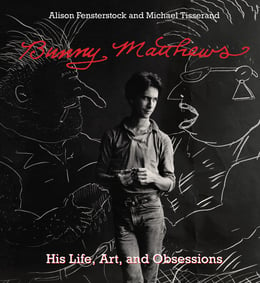
The bold personality of New Orleans’s legendary cartoonist and writer springs from the page in this first monograph of his work by Alison Fensterstock and Michael Tisserand.
Follow and support our multi-year campaign to transform HNOC’s campus at 533 Royal Street.
“The story of Congo Square continues to unfold, for it mirrors that of New Orleans and of the people who were essential to the city's survival, development, and cultural formation.”
—Freddi Williams Evans, Congo Square: African Roots in New Orleans
This interactive resource traces the evolution of Congo Square, explaining how it became ground zero for African culture in New Orleans and has remained an important space for the African American community today. Included are a timeline, notes on the reliability of historical sources related to Congo Square, and a video featuring scholar Freddi Williams Evans.
Learn more in this presentation created by Kaitlyn Sercovich, HNOC Derven Scholar and student at Tulane University.
How Juvenile and Gottschalk brought New Orleans music to the world, 150 years apart.
So much of New Orleans’s musical culture rests on its diversity of styles, practitioners, and influences.
This stylish menu from a restaurant in a former plantation home belies the site’s dark history of human enslavement.
Subscribe to Our Education Newsletter


