






La Famil[l]e de Pajaud
The New Orleans–born visual artist pays homage to his roots in this subdued, impactful watercolor.
Born in New Orleans, the artist William Pajaud Jr. (1925–2015) was the child of Audrey DuCongé, a social worker, and William Pajaud Sr. (known as Willie), a trumpeter who played regularly for jazz funerals and for a time with the Eureka Brass Band. William Jr.’s early exposure to the brass band and traditional jazz scenes in New Orleans informed the art he created throughout his life. After graduating from Xavier University of Louisiana with a bachelor’s degree in fine art, Pajaud left New Orleans during the era of the Great Migration, moving first to Chicago and then Los Angeles, where he would spend the remainder of his life. He studied at the Chouinard Art Institute (now California Institute of the Arts), and in 1957 he joined the staff of Golden State Mutual Life Insurance Company, one of the largest African American–owned insurance companies in the West. During his tenure at Golden State, he developed the company’s nationally recognized collection of African American art.

Pajaud’s watercolor La Famil[l]e de Pajaud (Sidney William Albert Renee)Opens in new tab evokes a New Orleans jazz funeral while memorializing the artist’s paternal relatives. An unidentified Eureka Brass Band trumpet player, likely Willie Wilson, stands in front of a tomb bearing the names of Pajaud’s grandfather, father, and uncles. The subject’s gaze and downward-facing trumpet reflect the moment of burial, when bands are traditionally silent.

HNOC’s extensive music holdings include film and photographs of the Eureka Brass Band, but this painting adds a new perspective on the band’s rich history, as well as the city’s music and funeral traditions. It is also the first work by this important New Orleans–born artist in the institution’s holdings.
By Eric Seiferth, curator/historian
Related Stories

Who’s a Good Boy? These Pups from the Past
For as long as dogs have been domesticated, there have been dog lovers. The evidence runs throughout HNOC’s holdings.

How Enrique Alférez Sculpted the Landscape of New Orleans
From monuments and public artworks to fountains and park bridges, the sculptor left a lasting imprint.
Related Collection Highlights

Black River Country
Painter Alexander John Drysdale was known for his landscapes, for which he used a technique of thinning oil paint with kerosene.

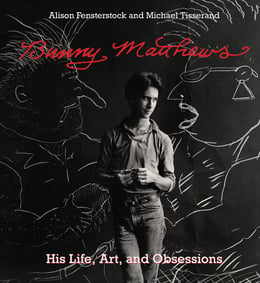
Bunny Matthews Archive
In a substantial new acquisition, the archive of a distinctly New Orleans cartoonist comes to HNOC.

Related Virtual Exhibitions

From Cameo to Close-Up: Louisiana in Film
Explore how the picturesque scenery of Louisiana has provided the backdrop for films since the early 1900s.

French Quarter Life: People and Places in the Vieux Carré
Artistic impressions of New Orleans’s most iconic neighborhood
Related Books

In Search of Julien Hudson: Free Artist of Color in Pre–Civil War New Orleans
edited and with an introduction by Erin M. Greenwald, with essays by William Keyse Rudolph and Patricia Brady

John Clemmer: A Legacy in Art
with essays by Judith H. Bonner, John Ed Bradley, and David Clemmer

Complementary Visions of Louisiana Art
with essays by William H. Gerdts, George E. Jordan, and Judith H. Bonner
Subscribe to Our Newsletter
