






The Fat Man / Detroit City Blues
Fats Domino’s first single, produced in New Orleans, is considered one of the first rock ’n’ roll songs in history.
In the late 1940s, as New Orleans rhythm and blues was beginning to coalesce, Antoine “Fats” Domino Jr. was himself starting out as a performer, playing a regular gig at the Hideaway Club in the Ninth Ward. During these years, Domino’s cousin, banjo player Harrison Verret, was instrumental in nurturing the young musician’s natural talent. Verret was a successful musician in his own right, playing with Oscar “Papa” Celestin’s band as well as performing periodically with barrelhouse pianist Kid Stormy Weather. Among the songs in Kid Stormy’s repertoire was “Junker Blues,” which fellow New Orleanian piano player Champion Jack Dupree had recorded for the OKeh label in 1941. Domino took to the song as well and incorporated it into his act at the Hideaway.

In 1949 Dave Bartholomew, the venerable bandleader and A&R man for Imperial Records, visited the Hideaway with label owner Lew Chudd to scout the young Domino. Not surprising, they liked what they heard, quickly signed him to a contract, and got him into Cosimo Matassa’s J&M Studios on Rampart Street at the edge of the French Quarter. That session produced Domino’s first hit, “The Fat Man,” which reached number two on the Billboard R&B chart and number one on the local charts. The record continued to sell over the next few years, topping the one million mark in 1953, and is considered to be one of the first rock and roll songs.
A cleaned-up version of “Junker Blues,” Domino’s hit stripped that song of its drug references and added a rollicking beat and a full-band sound designed to appeal to a wider audience. Bartholomew rounded out the session with musicians from his own band, one of the best in the city at the time, including Earl Palmer on drums and Red Tyler on saxophone. Over the next decade, Domino, Bartholomew and his band, and Matassa recorded a string of national hits that would come to define the local rhythm and blues sound and influence the development of rock and roll around the world.

By Eric Seiferth, curator and historian
Related Stories

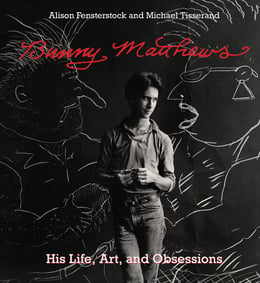
Danny Barker’s Folk Heroes
The jazzman was also a gifted writer and storyteller who put his own spin on the archetypes of African American folklore, from badmen and blues mamas to “day people and night people.”

“The Downtown Club with Uptown Ideas”
In 1950s New Orleans, Club Desire drew national acts, nurtured young talents, and was a pillar of the Black community during segregation.
Related Collection Highlights

Edward “Kid” Ory Papers
Ory and his trombone helped shape jazz from the 1920s onward. His papers include photographs, correspondence, sheet music, instruments, and more.

The Mysterious Axman’s Jazz
At the turn of the 20th century, a music-loving serial killer proclaimed that only jazz lovers would be safe from his reign of terror.

John E. Kuhlman Collection
For decades, studio photographer John E. Kuhlman spent his free time taking pictures of jazz musicians. HNOC is now home to that part of his archive.
Related Virtual Exhibitions

Shout, Sister, Shout!: The Boswell Sisters of New Orleans
Explore the musical legacy of New Orleans’s own Boswell Sisters, who where among the first stars of radio’s golden age.

New Orleans Medley: Sounds of the City
The music of New Orleans is the living product of dynamic cultural interactions played out over centuries in this diverse southern port city.
Related Books


A Life in Jazz
by Danny Barker
edited by Alyn Shipton, with an introduction by Gwen Thompkins

Unfinished Blues: Memories of a New Orleans Music Man
by Harold R. Battiste Jr. with Karen Celestan
Subscribe to Our Newsletter
