








Captive State
Louisiana and the Making of Mass Incarceration
by Eric Seiferth, Katherine Jolliff Dunn, and Kevin T. Harrell (curators) and Nick Weldon (editor)
Three centuries of history reveal an irrefutable truth: that the institutions of slavery and mass incarceration are historically linked.
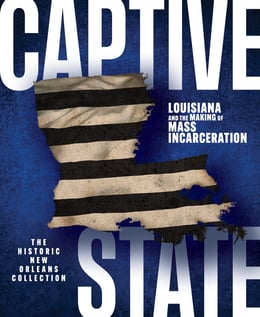
Captive State: Louisiana and the Making of Mass Incarceration
softcover • 9" × 11" • 106 pp.
57 color images
ISBN 9780917860942
$19.95
For decades, Louisiana has had the highest incarceration rate in the United States. If it were a country, it would have the second-highest incarceration rate in the world. Far from a modern phenomenon, this distinction is rooted in more than three centuries of history—roots that extend out from the principal city of New Orleans, once the epicenter of the American slave trade. In its examination of the state’s long march toward confining more of its citizens than almost anywhere on earth, Captive State: Louisiana and the Making of Mass Incarceration arrives at an irrefutable truth: that the institutions of slavery and mass incarceration are historically linked.

Adapted from the groundbreaking exhibition of the same name, Captive State traces the evolution of laws and customs that created this carceral system and that, by design, have disproportionately harmed Black Louisianians. Captive State accentuates this narrative with profiles of people impacted by these systems, spotlights on key historical objects, and insightful data visualizations. As the human and financial costs continue to mount, this book details the choices that led us here—and asks whether Louisiana is fated to remain captive to its history.
Video: Does Mass Incarceration Make Us Safer?
Learn about the making of HNOC’s Captive State exhibition and new companion book in this video narratived by Anthony J. Hingle Jr. a formerly-incarcerated activist with Voice of the Experienced and the Visiting Room Project.
Praise for Captive State
John Legend
Calvin Duncan, author of The Jailhouse Lawyer
Support
This publication was made possible with the generous support of the Spark Justice Fund at Borealis Philanthropy.

Awards


Related Pages
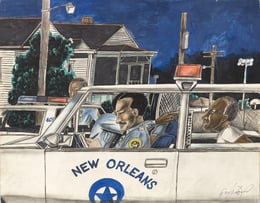
Reflecting on “Captive State”: How to Take Action
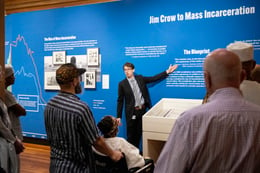
“Captive State” Book: Upcoming Local and Regional Literary Events
Related Exhibitions
Captive State: Louisiana and the Making of Mass Incarceration
Learn how the institutions of slavery and mass incarceration are historically linked, and how these connections have made Louisiana the world leader in incarceration today.
Related Stories

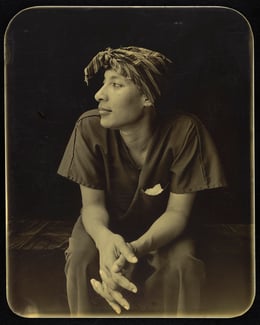
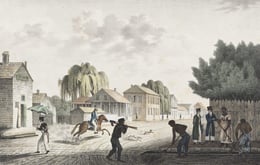
Processing Hope and Loss in the Prison Portraits of “One Big Self”
Deborah Luster’s portrait series, taken inside prisons across Louisiana, confronts viewers with the human lives at stake in the incarceration capital of the world.
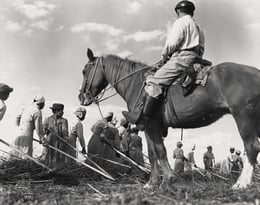
A Long Arc of Injustice
Once the hub of the domestic slave trade, Louisiana now leads the world in incarceration, with Black people disproportionately affected. HNOC’s exhibition Captive State traces the roots of this inequity all the way back to the founding of the state.
Related Collection Highlights

“Vernon C. Bain” Christening Ceremony Video
When New York City’s war on drugs sent incarceration rates soaring, officials commissioned a floating jail built and christened downriver from New Orleans.

Death Notice for John Ward Gurley
One hot-headed young upstart in early 19th-century Louisiana found his way onto the dueling field, where the odds were not in his favor.

The Mysterious Axman’s Jazz
At the turn of the 20th century, a music-loving serial killer proclaimed that only jazz lovers would be safe from his reign of terror.
Related News
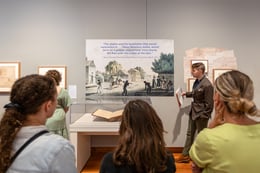
Innocence Project New Orleans to Honor HNOC with John Thompson Award for Courage & Justice
In NOLA.com Guest Column, HNOC Historian Discusses “Captive State” As Public History Project
HNOC Book “Captive State” Receives Southeastern Museum Conference Publication Award
Subscribe to Our Newsletter
